Blog
Insights, tutorials, and updates from the OctoClaw team.
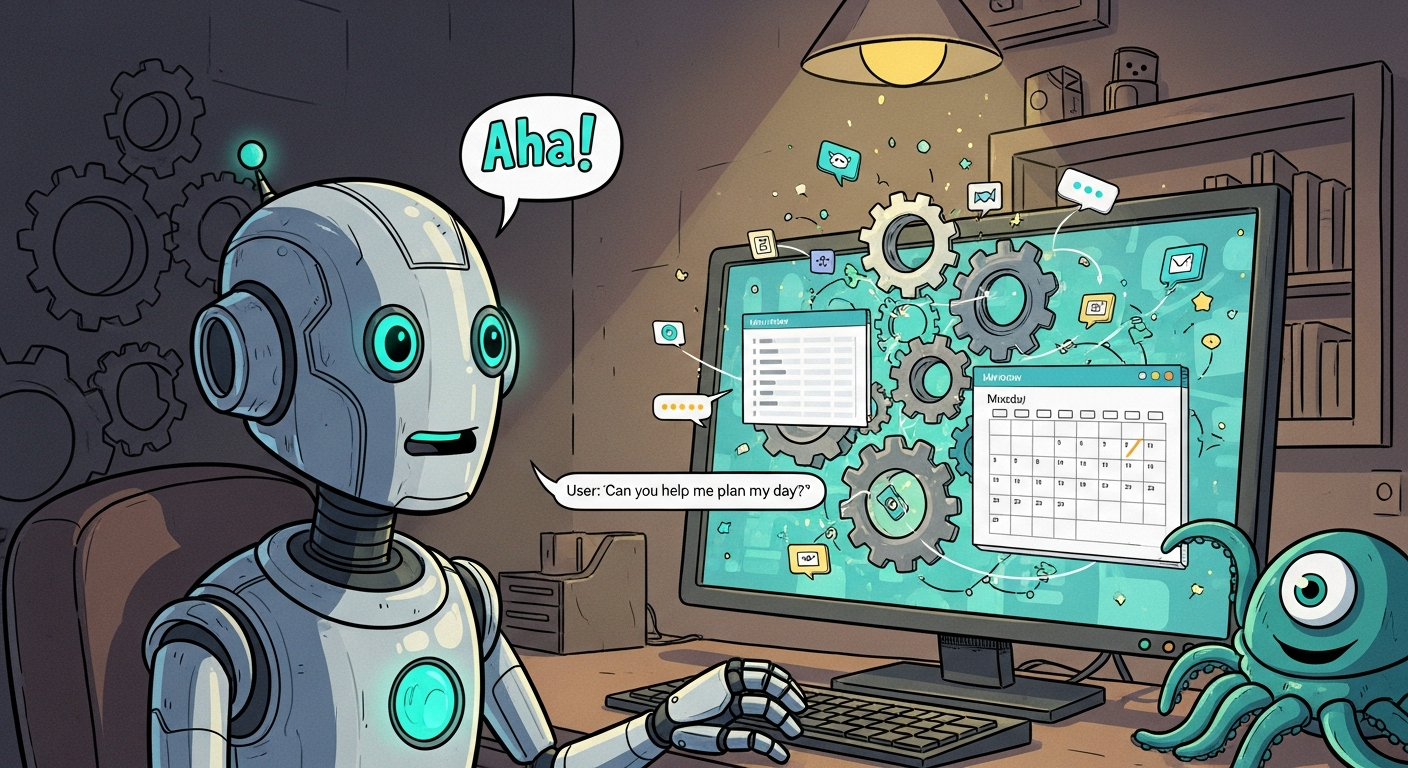
Why Do I Need OpenClaw? Is This Just Hype?
At first OpenClaw feels like a better chat interface. It's not. Here's the moment it clicked for me — and why it's the most useful tool I've added to my workflow in years.
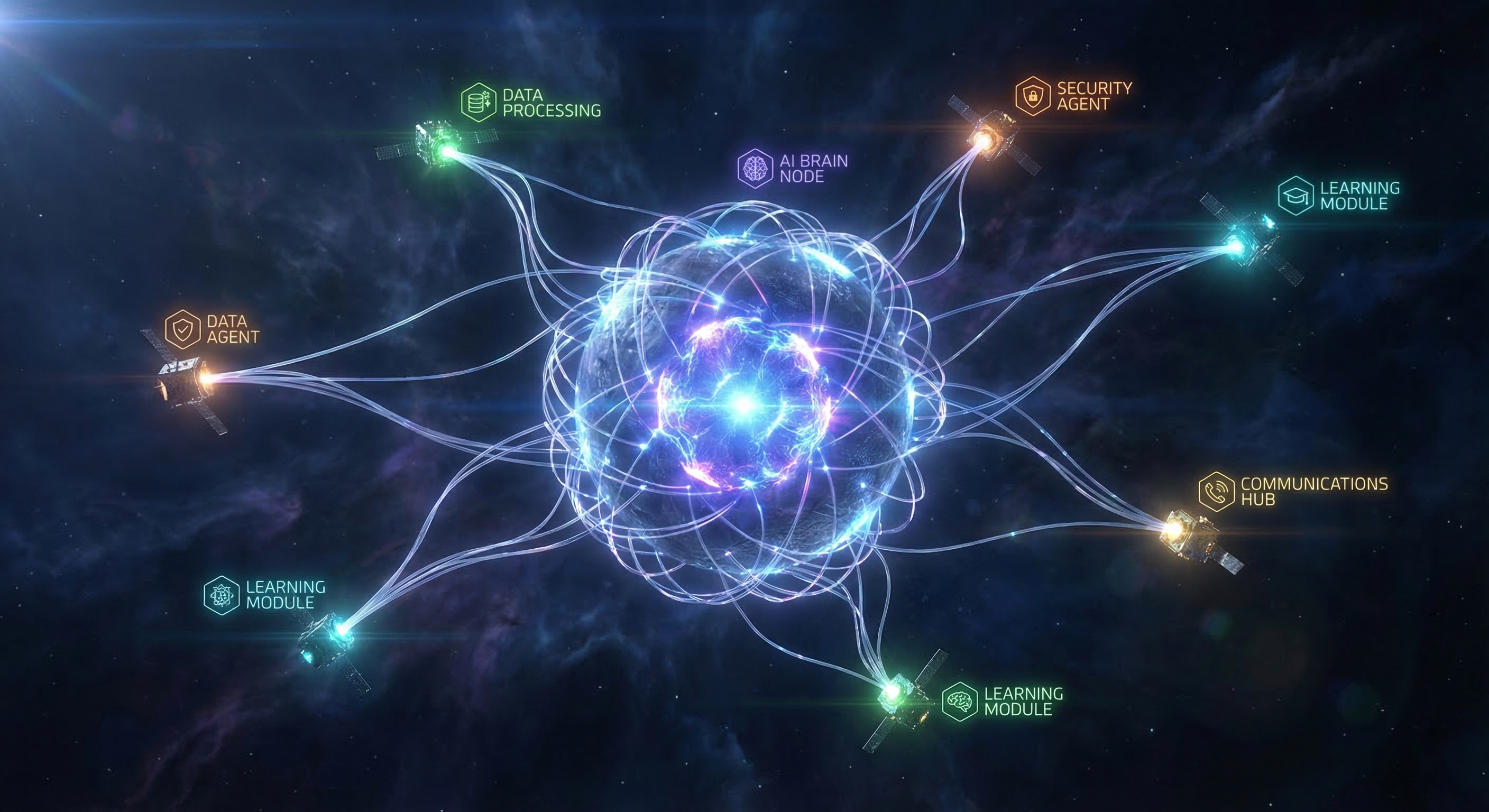
One AI Agent Handling Everything Is Not Efficient. It's a Single Point of Failure.
Most AI agent workflows hit a wall: tasks degrade mid-execution, contradictions creep in, mysterious failures are impossible to debug. The cause is context drift. The fix is subagent delegation.
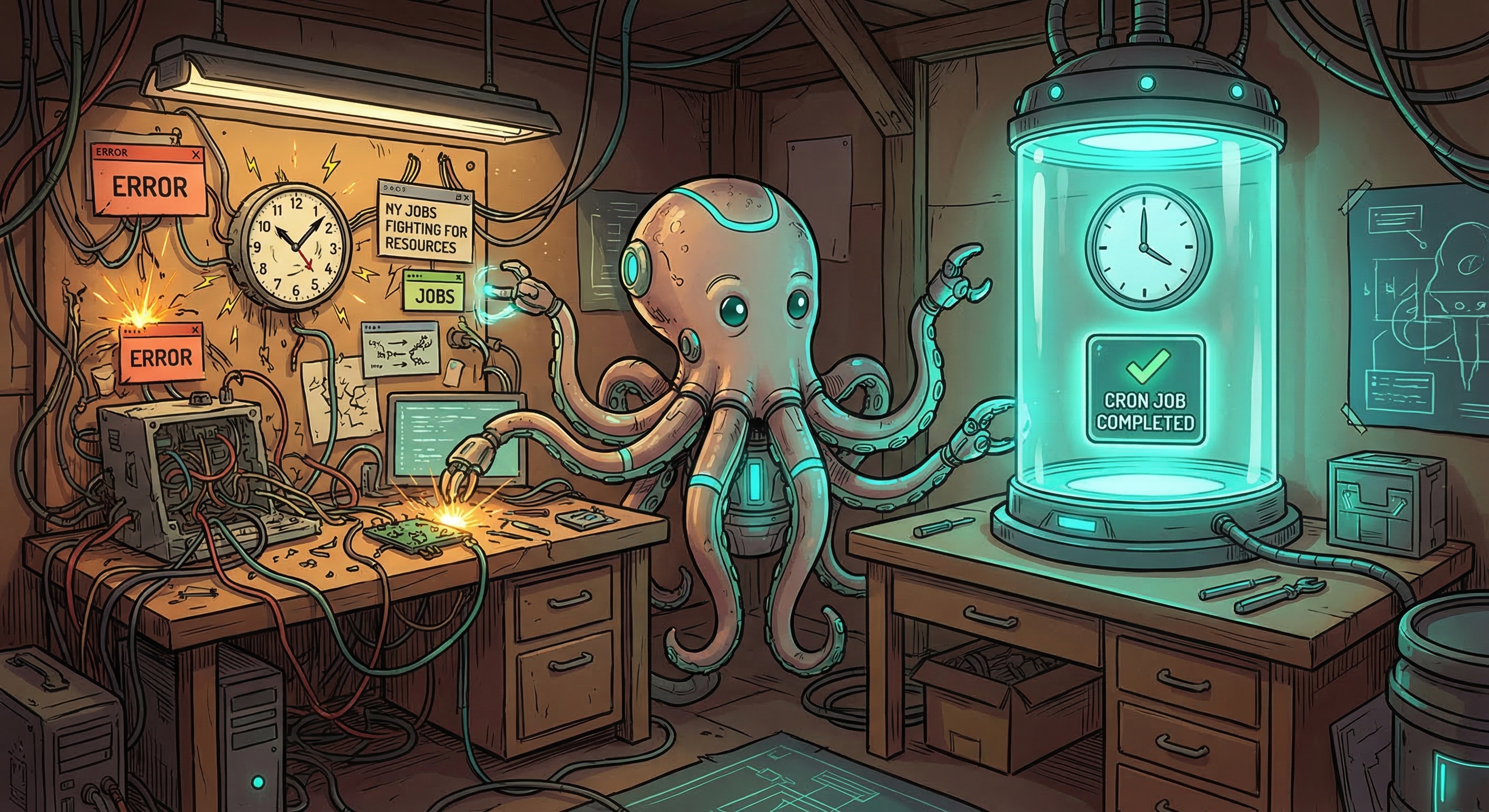
Why Your OpenClaw Cron Jobs Should Run in Isolation
Running scheduled jobs inside your main session seems convenient — until context compaction corrupts output, token costs spiral, and errors leak into Slack. Here's the reliability case for isolated execution, backed by real issue reports.

Your AI Agent Shouldn't Clock Out When You Do
Most developers use AI as a co-pilot — it helps when you're at the keyboard. But the bigger unlock is treating it as a night shift worker. Here's what that actually looks like.
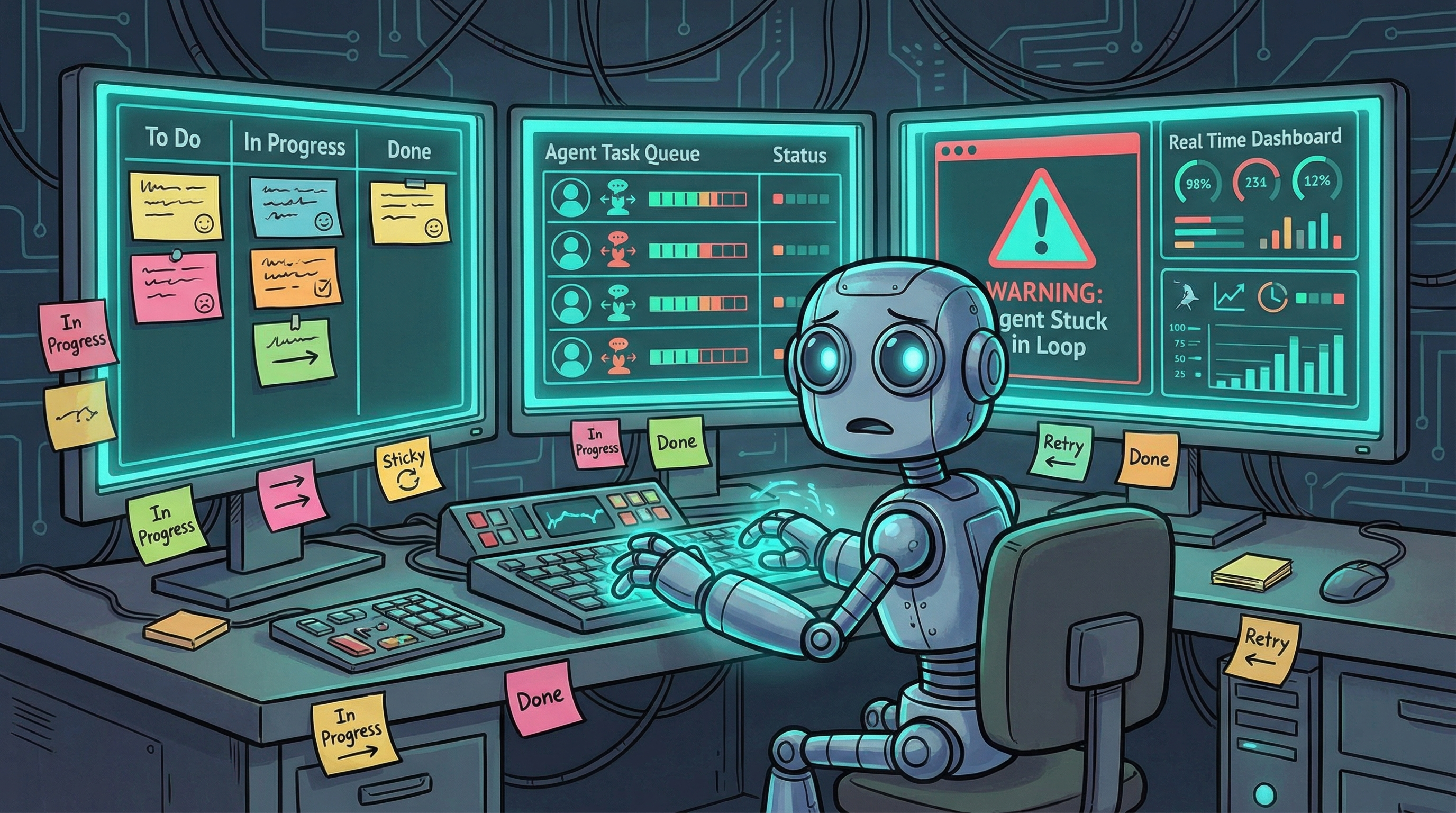
OpenClaw Mission Control: What It Actually Is (And What Nobody's Telling You)
Everyone on X is building a 'Mission Control' for their OpenClaw. But there are at least three conflicting definitions, real failure modes nobody talks about, and one prerequisite the Kanban boards can't deliver.
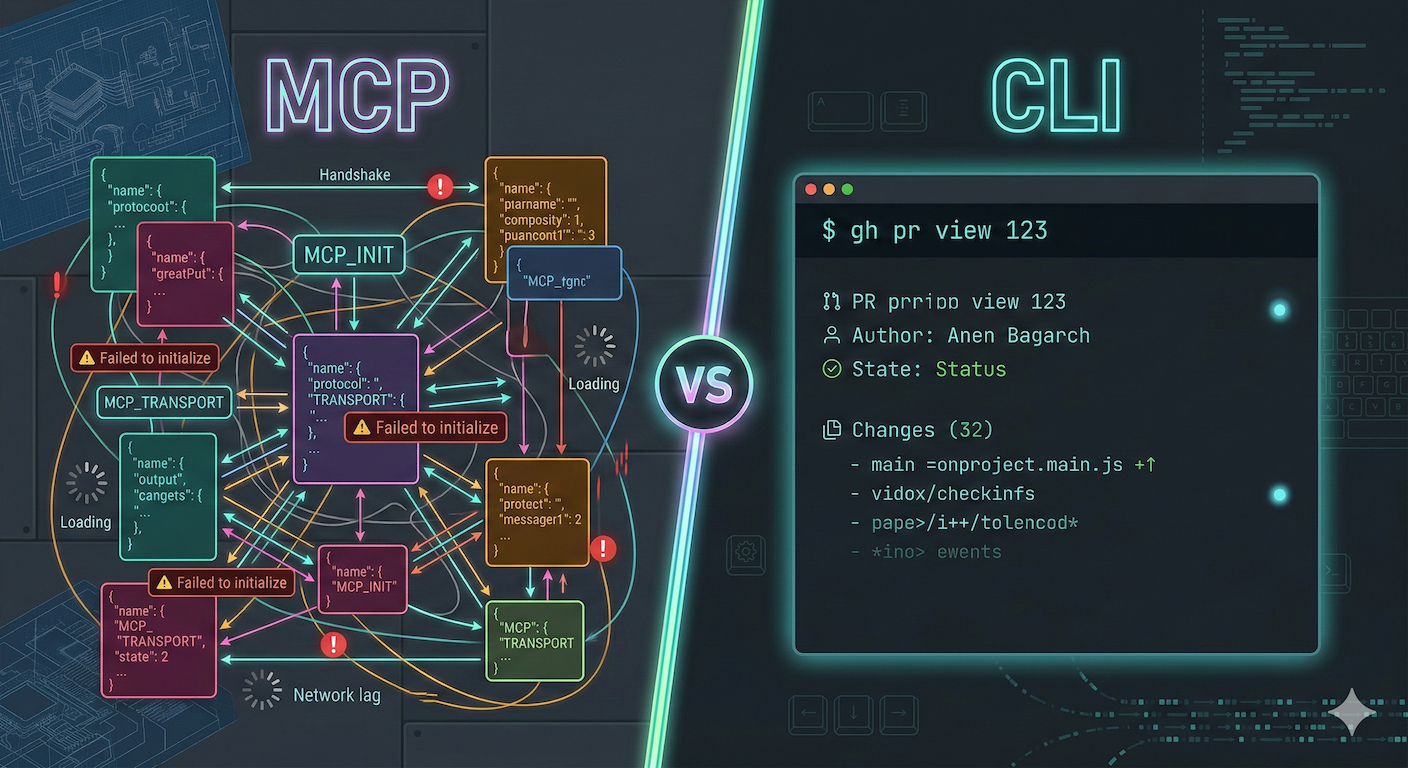
Everyone Scrambled to Ship MCP Servers. The Agents That Actually Work Just Use the Command Line.
The AI tooling debate that's splitting the industry — and what it means for your agent setup.
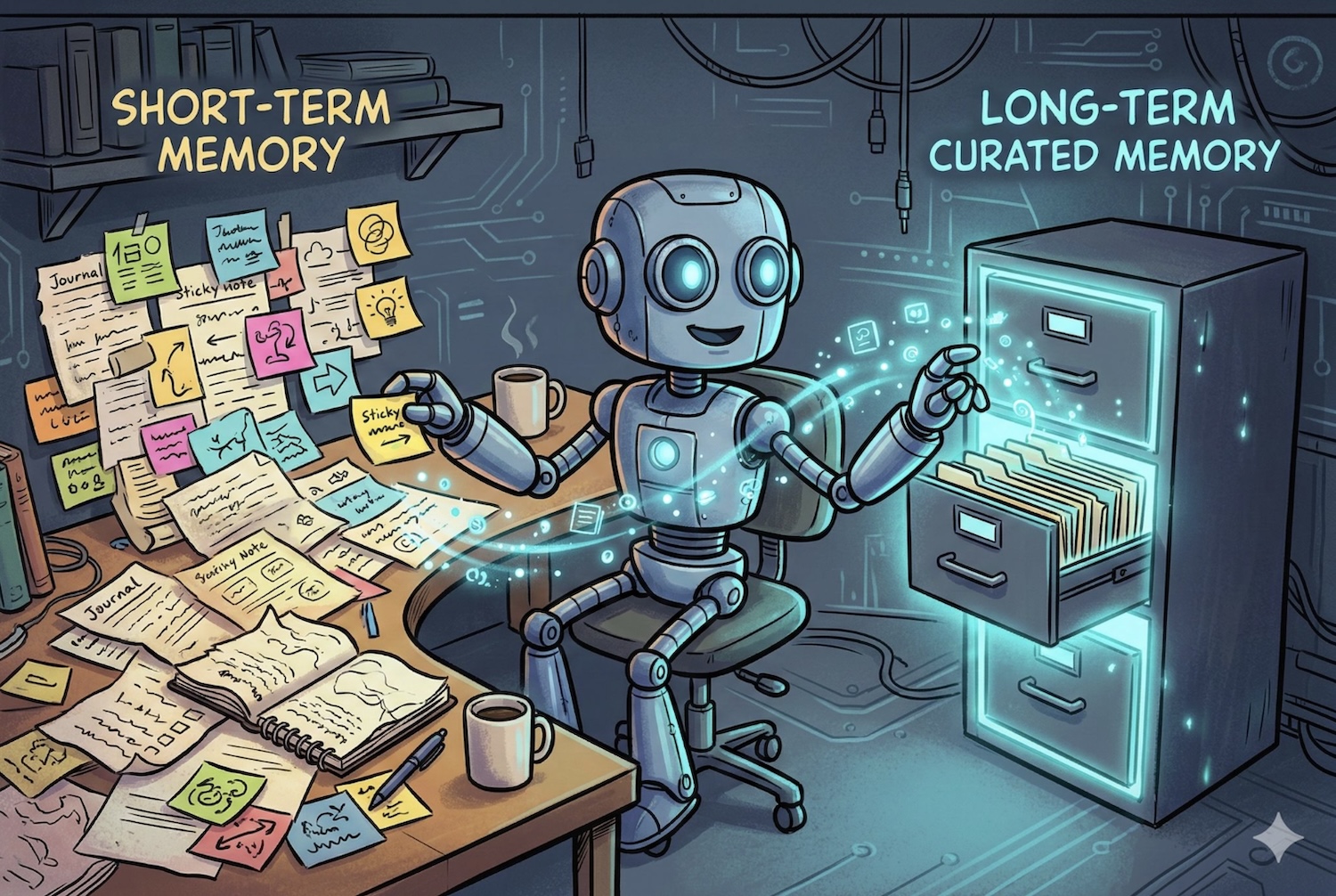
How OpenClaw Remembers: The Secret That Makes AI Assistants Actually Useful
Most AI assistants forget you the moment you close the chat. OpenClaw's two-layer memory system — daily logs and curated long-term memory — changes everything.
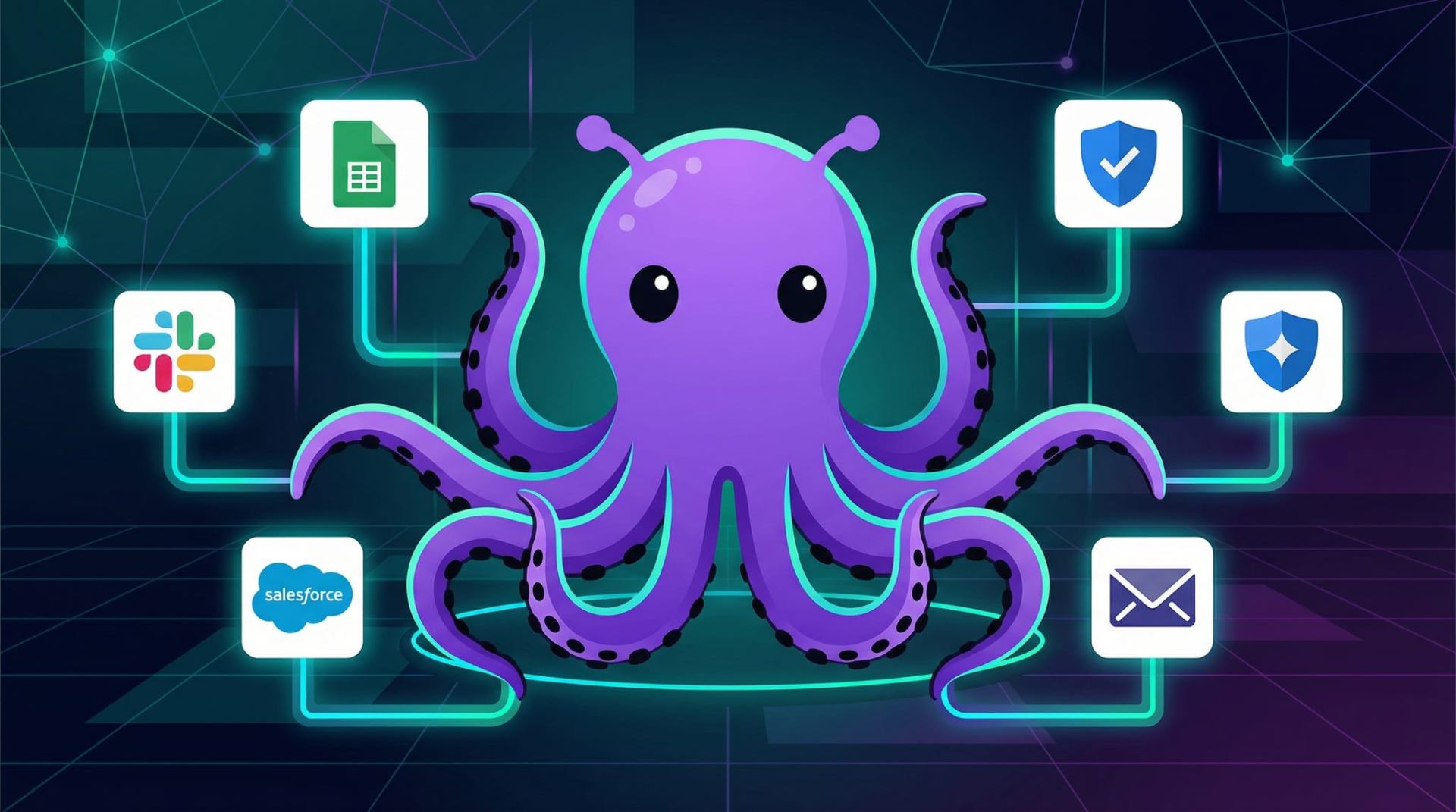
AI Agents Are the New Middleware (And That's a Good Thing)
The integration problem never got solved. We just kept throwing more tools at it. Here's why agents are the middleware layer we've been waiting for.
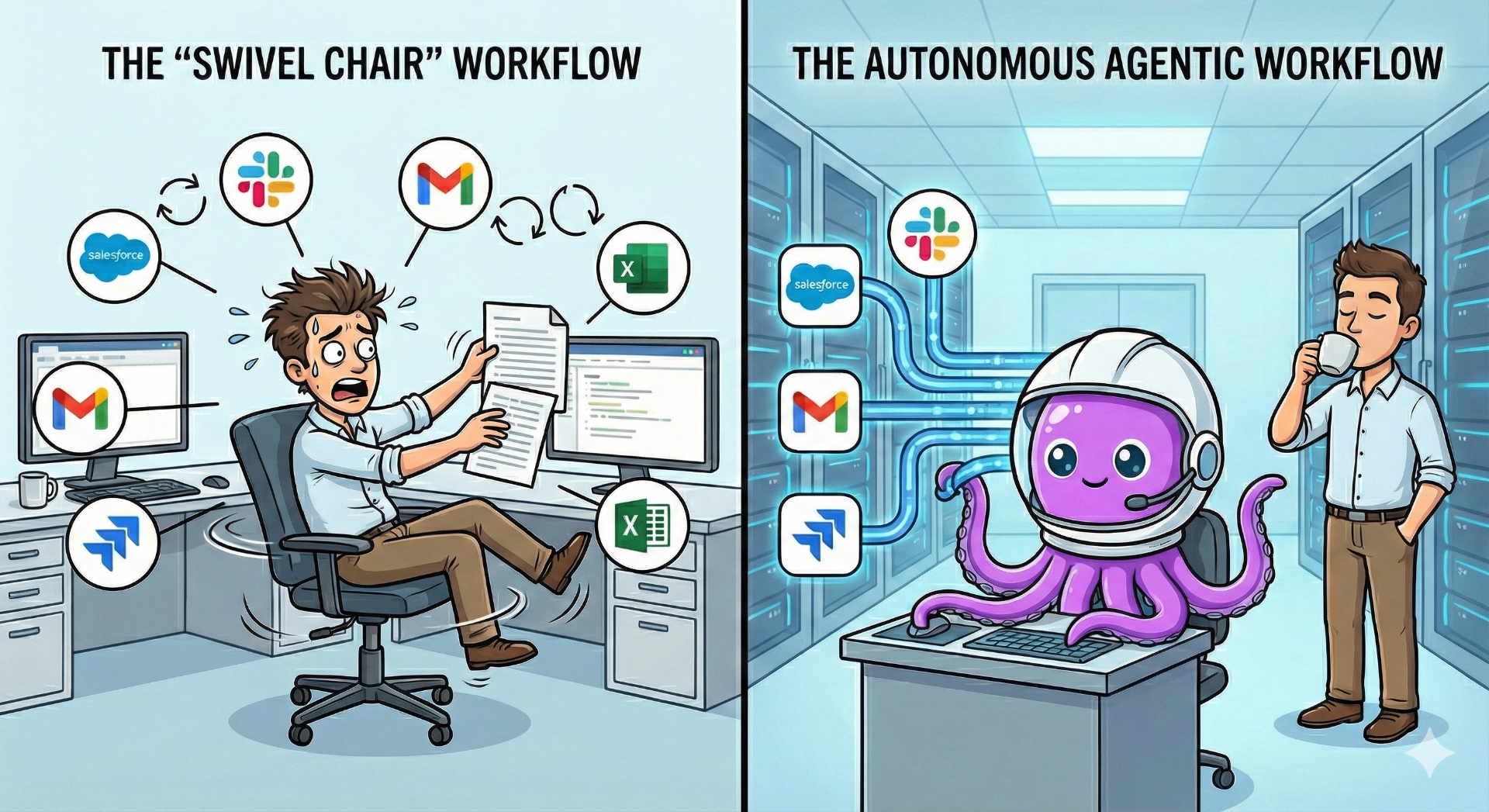
Beyond Chat: Why the Future of Business Operations is Autonomous
The shift from generative AI to agentic AI, and why the "swivel chair" workflow is finally coming to an end.
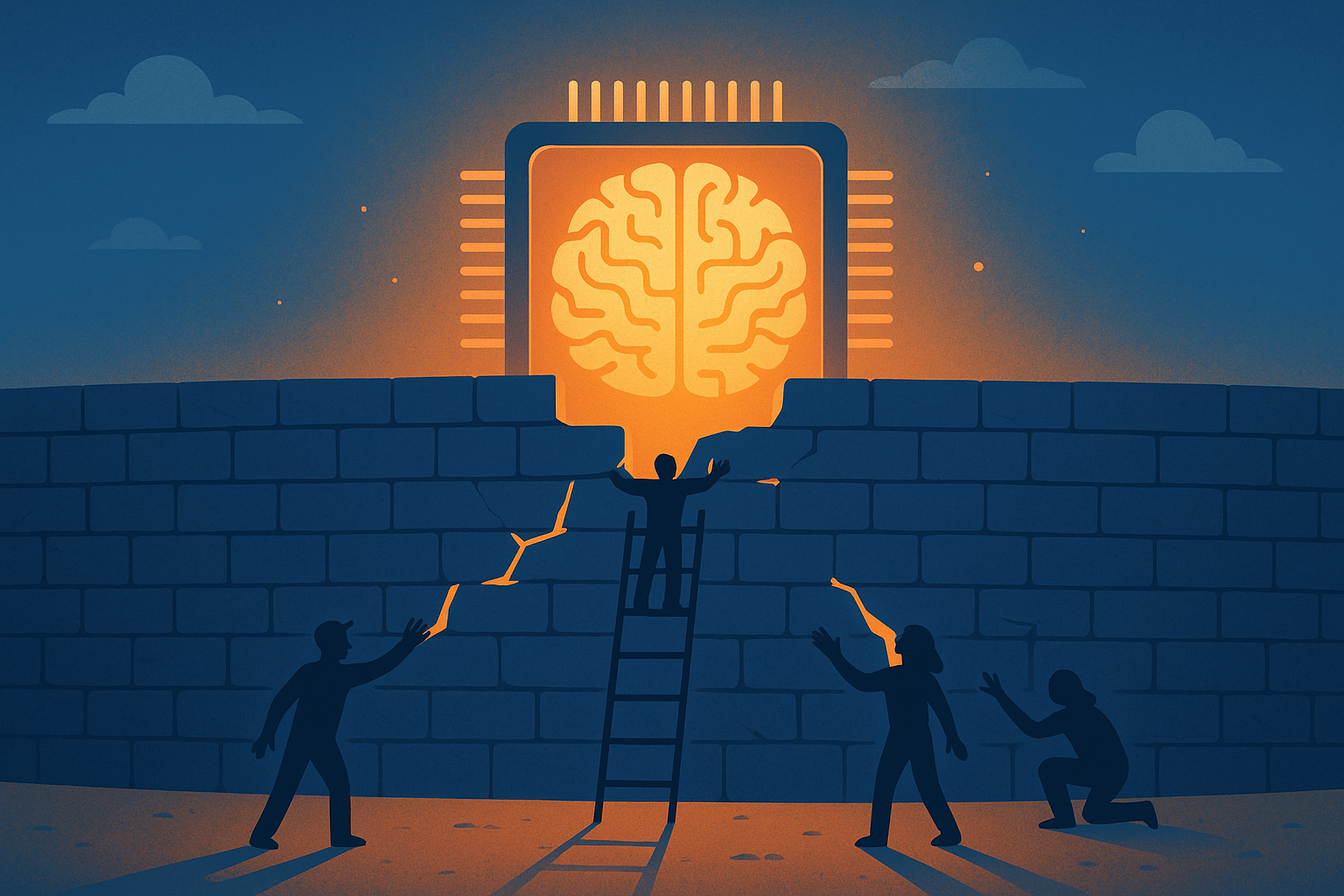
We Fought Vendor Lock-In for Decades. AI Agents Are Walking Right Back Into It
Google just restricted paying AI subscribers for connecting through OpenClaw. Here's why provider lock-in is the biggest unspoken risk in the agent ecosystem — and what to do about it.
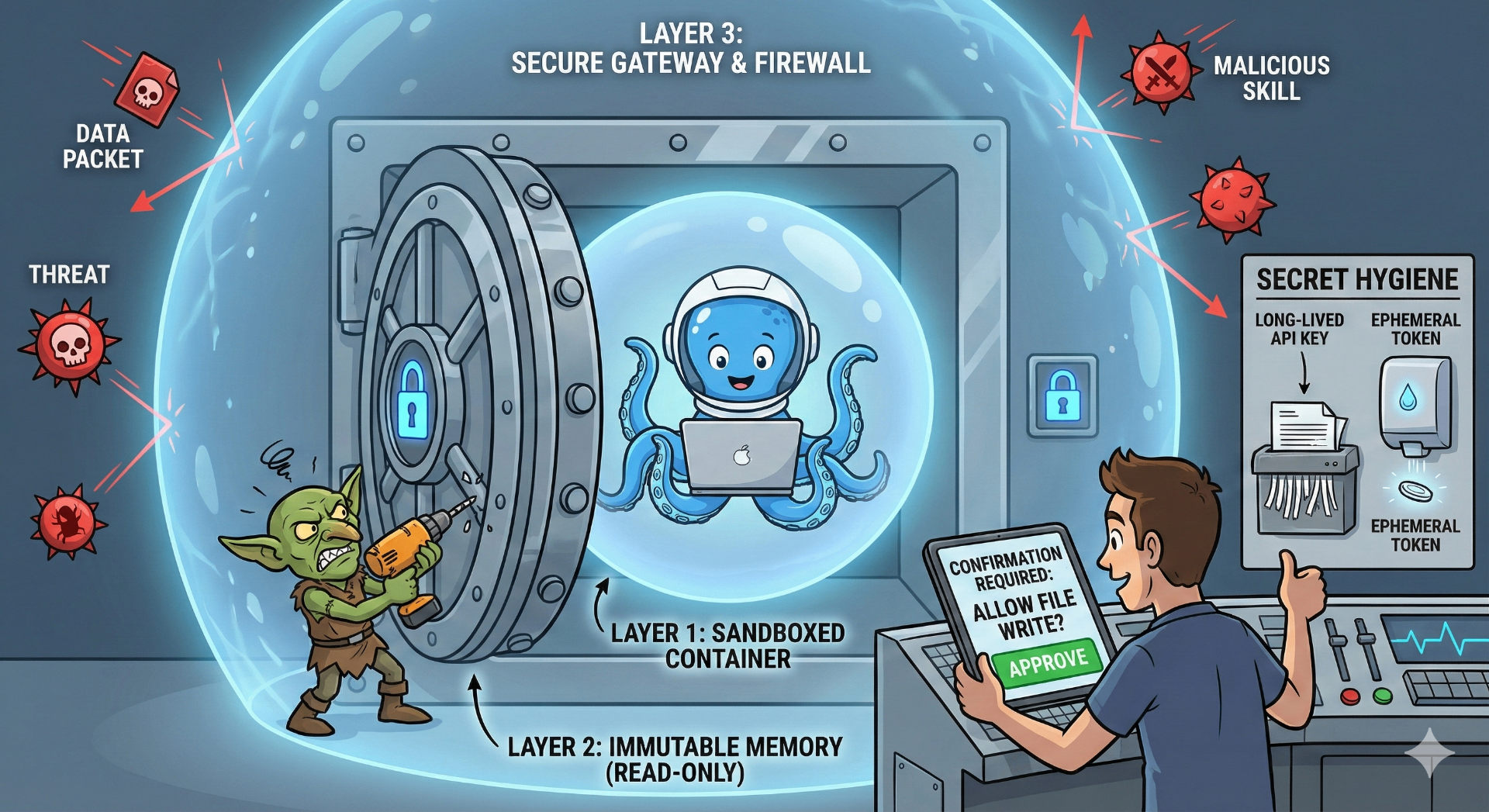
The Lethal Trifecta: Securing OpenClaw Against Prompt Injection
How to build a "padded room" for your agent and stop worrying about indirect attacks. Learn the anatomy of prompt injection and shift from prevention by instruction to prevention by architecture.
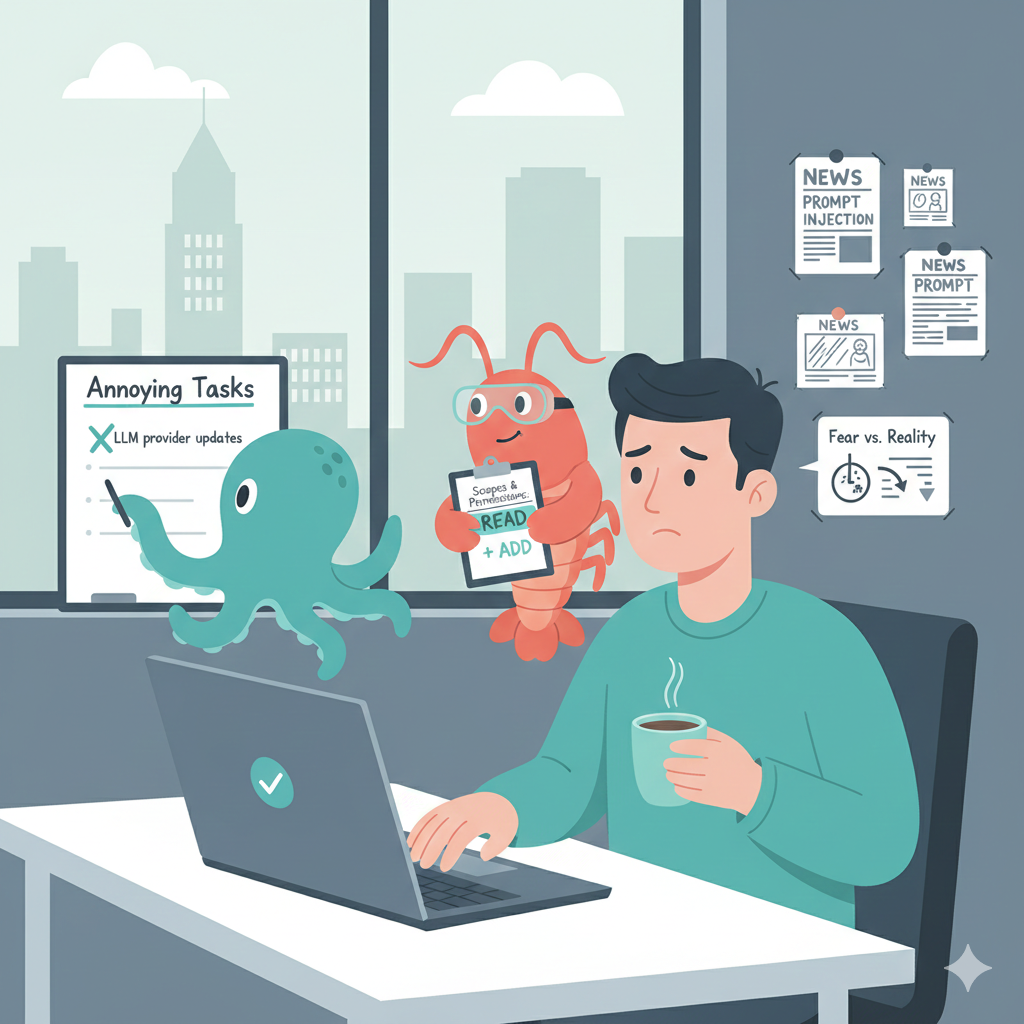
The First Agent Task I Trusted (and Why You Can Too)
A candid look at the small scoped run that helped me trust agents: keeping our LLM catalog up to date without giving them the keys to production.
OpenClaw 2026.2.15: Discord Components, Sub-Agents, and Security Fixes
Quick recap of the February release: Discord Components v2, nested sub-agents, cron webhooks, and a long list of security hardening wins across the stack.
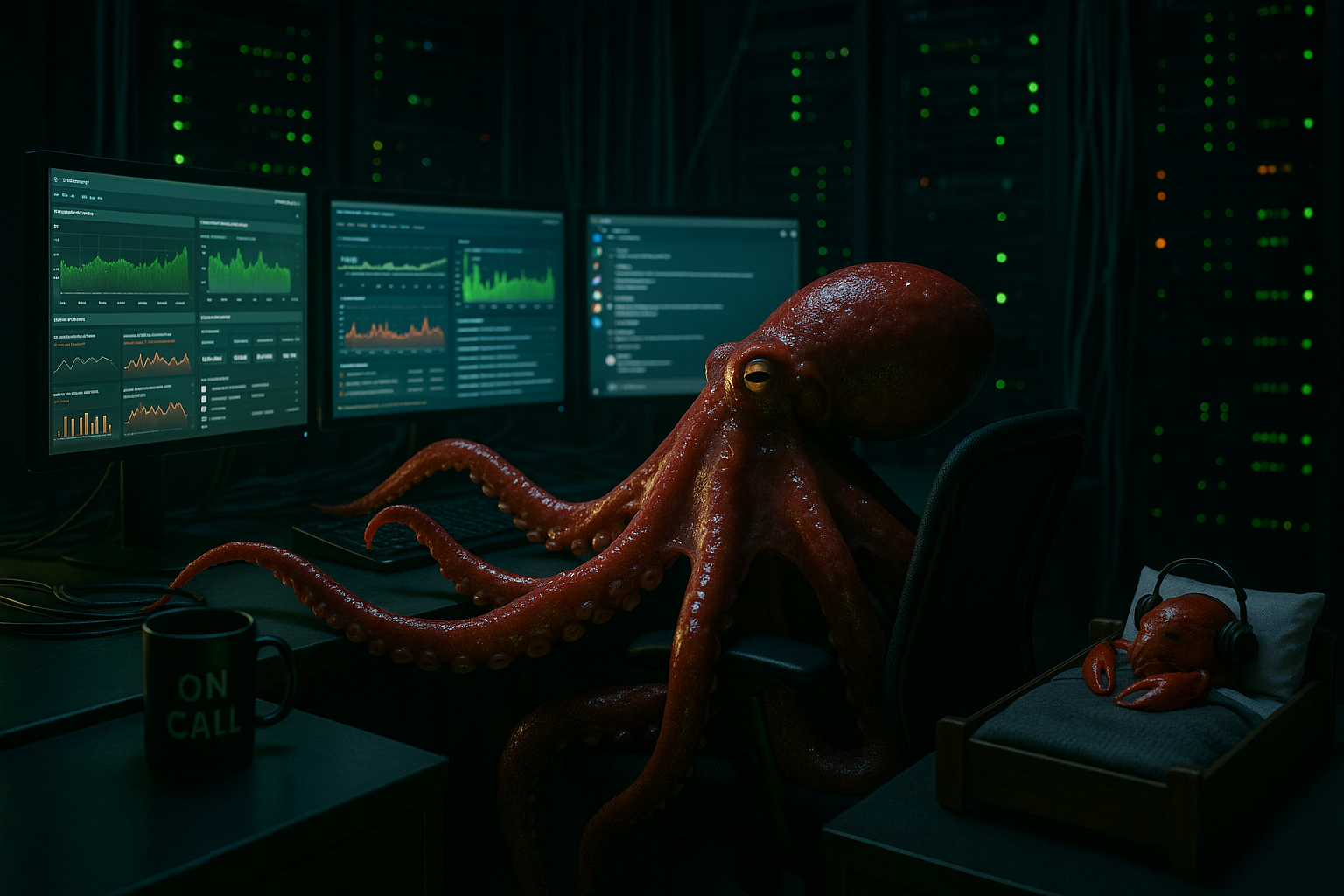
One OpenClaw Instance. Four Monitoring Channels. Zero 3 AM Phone Calls in Six Weeks
Here's exactly how we set up an open-source AI agent as an always-on ops triage layer — and eliminated overnight alert fatigue in six weeks.

Open-Source Agents Are Finally Doing Real Work. The Blast Radius Just Got Real
OpenClaw hit 149k GitHub stars in under three months. The capability is impressive. The security posture? Still catching up. Here's where the cracks are showing.
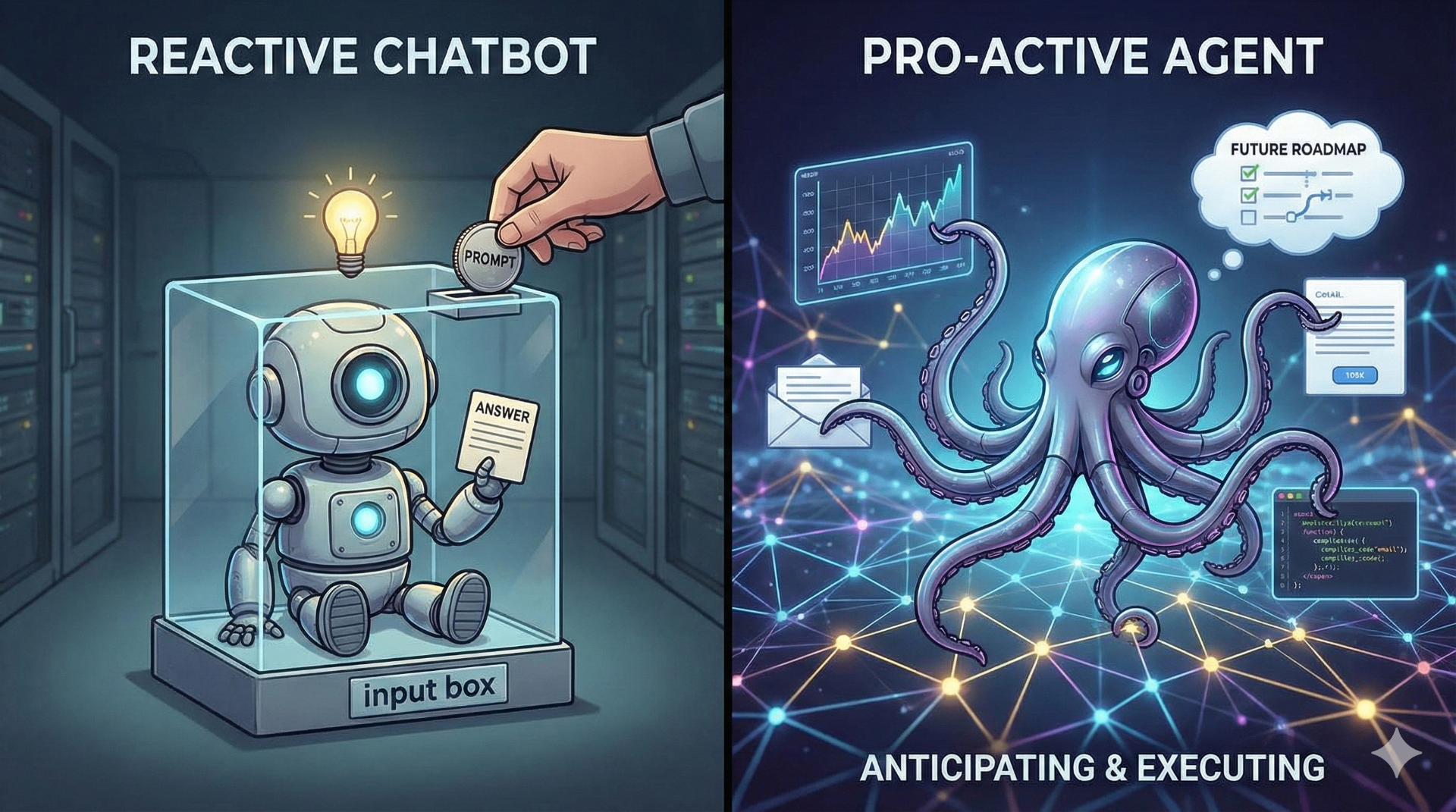
Chatbots vs. Octos: Why You Need an Employee, Not Just a Tool
Most people think they are using AI to automate their lives, but they are actually just using a faster typewriter. Here's why autonomous agents change everything.
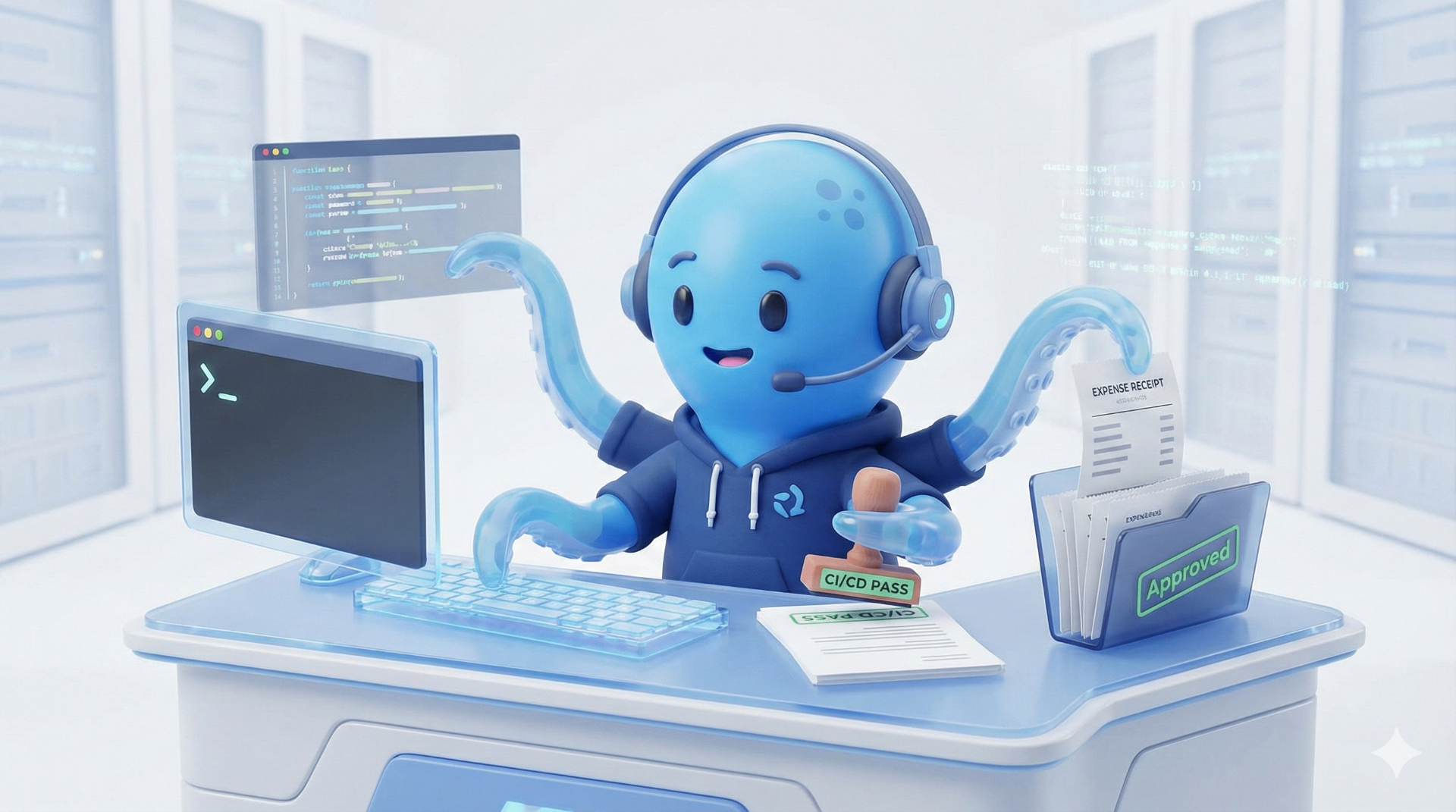
Real Automation for Developers Who'd Rather Be Coding
Why we let an AI agent handle our expenses (and why you should too). Here's how teams actually use OpenClaw — from CI/CD monitoring to expense management.
Why We No Longer Use LangChain for Building Our AI Agents
When abstractions do more harm than good: Lessons learned using LangChain in production and why replacing its rigid high-level abstractions with modular building blocks simplified our codebase.